

 中文简体
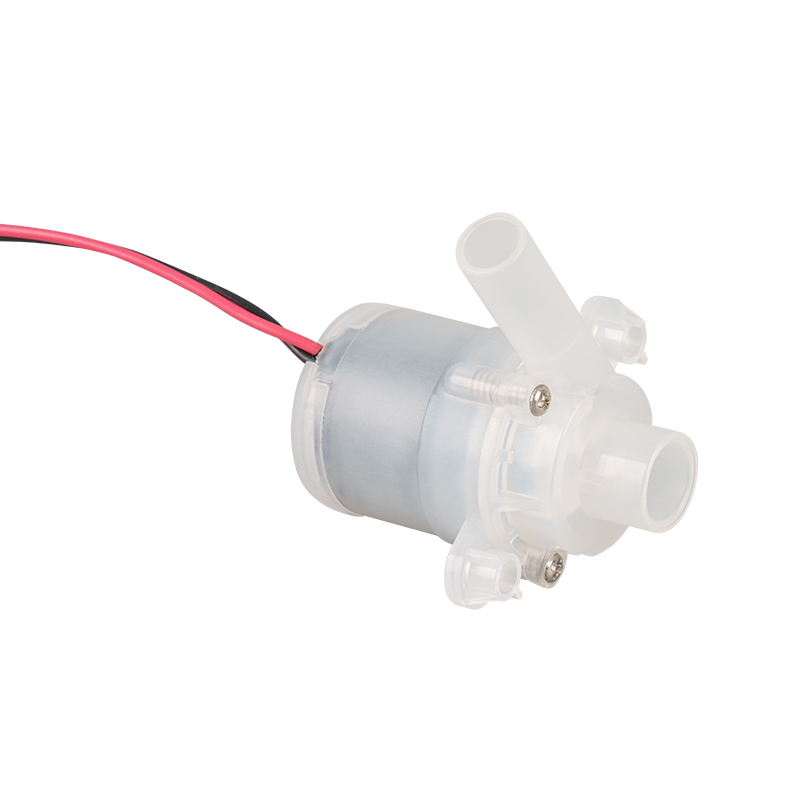
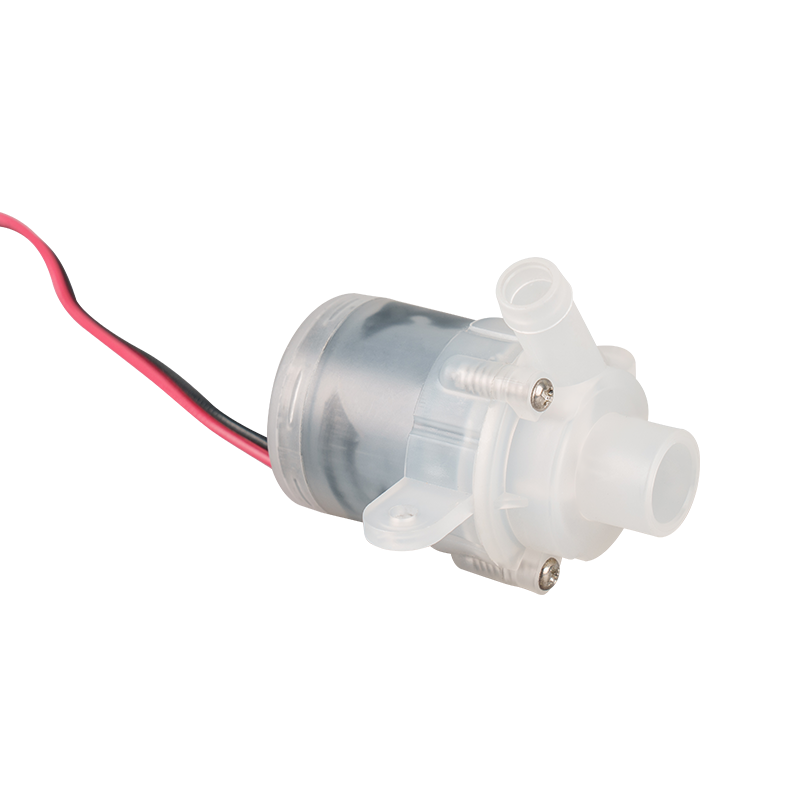
中文简体การติดตั้งก ปั้มน้ำ 12v 24v เป็นวิธีที่สะดวกและมีประสิทธิภาพเพื่อให้แน่ใจว่าเข้าถึงน้ำสะอาดได้ง่าย ไม่ว่าคุณจะอยู่ในครัวที่บ้าน สำนักงาน รถบ้าน หรือแม้แต่การตั้งแคมป์ ปั๊มเหล่านี้มีขนาดกะทัดรัด ใช้งานง่าย และลดความยุ่งยากในการจ่ายน้ำจากขวดหรืออ่างเก็บน้ำด้วยตนเองได้อย่างมาก หากคุณกำลังมองหาการติดตั้ง 12V หรือ ปั้มน้ำ24V ต่อไปนี้คือคำแนะนำทีละขั้นตอนเพื่อช่วยคุณตลอดกระบวนการ
ทำไมต้องเลือกปั๊มน้ำ 12v 24v
ก่อนที่จะเจาะลึกถึงกระบวนการติดตั้ง เรามาทบทวนประโยชน์ของการใช้ a กันก่อน ปั้มน้ำ 12v 24v : : :
-
ความสะดวกสบาย : : : With just the push of a button, you can dispense water directly from a bottle or reservoir, making it much easier than manually lifting and tilting large water bottles.
-
ประสิทธิภาพการใช้พลังงาน : : : The low-voltage system (12V or 24V) ensures the pump uses minimal electricity, making it cost-effective and energy-efficient.
-
การพกพา : : : Many of these pumps are designed for portability, ideal for homes, offices, RVs, or outdoor activities like camping.
-
การออกแบบที่กะทัดรัด : : : These pumps have a small footprint, which allows them to fit into tight spaces like kitchen counters or small work areas.
ตอนนี้คุณรู้แล้วว่าเหตุใดปั๊มเหล่านี้จึงเป็นตัวเลือกที่ดี มาดูวิธีติดตั้งเพื่อประสิทธิภาพสูงสุดกัน
คำแนะนำทีละขั้นตอนในการติดตั้งปั๊มน้ำ 12v 24v
วัสดุที่คุณต้องการ:
-
ชุดปั้มน้ำ 12V หรือ 24V (ประกอบด้วยปั๊ม สายยาง และสวิตช์)
-
ภาชนะบรรจุน้ำ (ขวดหรือถัง)
-
แหล่งพลังงาน (อะแดปเตอร์ 12V หรือ 24V DC ขึ้นอยู่กับข้อกำหนดเฉพาะของปั๊ม)
-
ท่อ (โดยปกติจะมาพร้อมกับชุดปั๊ม)
-
สว่าน (สำหรับเจาะฝาขวดหรือถัง หากจำเป็น)
-
ขั้วต่อไฟฟ้า (หากไม่ได้ต่อสายไว้ล่วงหน้า)
เลือกสถานที่ที่เหมาะสม
ก่อนการติดตั้ง ควรตัดสินใจว่าจะติดตั้งปั๊มบริเวณใด พื้นที่การติดตั้งที่พบบ่อยที่สุดคือ:
-
เคาน์เตอร์ครัว (สำหรับขวดน้ำ)
-
รถบ้านหรือผู้ไปพักแรม (สำหรับการจ่ายน้ำระหว่างเดินทาง)
-
สำนักงานหรือที่ทำงาน (สำหรับตู้กดน้ำขนาดใหญ่)
ตรวจสอบให้แน่ใจว่าคุณมีพื้นที่เพียงพอรอบๆ ปั๊มและภาชนะบรรจุน้ำเพื่อให้เข้าถึงและใช้งานได้ง่าย
เคล็ดลับ: ตรวจสอบให้แน่ใจว่าได้ติดตั้งปั๊มไว้ใกล้แหล่งพลังงาน เนื่องจากปั๊มเหล่านี้จำเป็นต้องมี 12V หรือ 24V อินพุตกระแสตรง
เตรียมขวดน้ำหรือถังน้ำ
หากคุณกำลังติดตั้งปั๊มในขวดน้ำ:
-
เจาะรู ในฝาขวดให้ใหญ่พอสำหรับท่อทางเข้าของปั๊ม ระวังอย่าทำให้ฝาปิดเสียหาย เนื่องจากจะต้องสร้างซีลเมื่อใส่ท่อแล้ว
-
ใส่ท่อทางเข้า : : : The inlet tube should go all the way to the bottom of the bottle or container to ensure that the pump can access all of the water inside.
หากคุณใช้แท้งค์น้ำ ให้แน่ใจว่าแท้งค์น้ำนั้นมีเต้ารับที่เหมาะสมซึ่งคุณสามารถต่อปั๊มเข้าไปได้ ถังเก็บน้ำบางใบมีการเจาะไว้ล่วงหน้า ในขณะที่บางถังอาจต้องมีการดัดแปลง
ติดตั้งปั๊มและเชื่อมต่อท่อทางออก
ตอนนี้ขวดหรือถังของคุณพร้อมแล้ว ก็ถึงเวลาติดตั้งปั๊ม:
-
วางปั๊ม ที่ด้านบนของขวดหรือถัง ปั๊มส่วนใหญ่มาพร้อมกับถ้วยดูดหรือขายึดเพื่อยึดปั๊มให้เข้าที่
-
ใส่ท่อทางออก เข้าไปในวาล์วทางออกของปั๊ม ท่อจ่ายน้ำจะลำเลียงน้ำจากปั๊มไปยังช่องจ่ายน้ำ
-
ตรวจสอบให้แน่ใจว่าพอดี : : : Make sure both tubes (inlet and outlet) are securely connected to prevent leaks. If necessary, use hose clamps to ensure a tight connection.
เชื่อมต่อปั๊มเข้ากับแหล่งพลังงาน
ตอนนี้เชื่อมต่อ 12V หรือ 24V แหล่งพลังงานเข้าปั๊ม:
-
หากปั๊มของคุณใช้ อะแดปเตอร์ไฟ 12V ให้เสียบอะแดปเตอร์เข้ากับเต้ารับไฟฟ้าใกล้เคียงหรือ แบตเตอรี่ 12V DC หากคุณใช้ปั๊มในการตั้งค่าแบบเคลื่อนที่ (เช่น รถบ้าน)
-
สำหรับ ปั๊ม 24V , เชื่อมต่อเข้ากับความเหมาะสม แหล่งพลังงานไฟฟ้ากระแสตรง 24V .
ปั้มหลายตัวมาพร้อมกับความเรียบง่าย อะแดปเตอร์รถ DC หรือ สายยูเอสบี เพื่อการเชื่อมต่อกับปลั๊กไฟได้ง่าย หากปั๊มมีการเดินสายไว้ล่วงหน้า คุณอาจต้องเสียบเข้ากับแหล่งจ่ายไฟเท่านั้น
เคล็ดลับ: ตรวจสอบให้แน่ใจว่าแหล่งพลังงานตรงกับข้อมูลจำเพาะของปั๊ม (12V หรือ 24V) การใช้แรงดันไฟฟ้าที่ไม่ถูกต้องอาจทำให้ปั๊มเสียหายหรือทำงานผิดปกติได้
ติดตั้งหัวจ่ายและปุ่มจ่าย
ตอนนี้ปั๊มเชื่อมต่อกับแหล่งน้ำและแหล่งจ่ายไฟแล้ว ให้ทำการติดตั้ง จ่ายพวยกา : : :
-
ติดพวยกา จนถึงปลายท่อทางออก
-
วางตำแหน่งพวยกา ซึ่งเข้าถึงได้ง่ายเพื่อจ่ายน้ำ โดยทั่วไปจะวางบนเคาน์เตอร์หรือขอบอ่างล้างจาน
-
หากปั๊มของคุณมาพร้อมกับ ปุ่มหรือสวิตช์ สำหรับการเปิดใช้งาน ติดมัน ในตำแหน่งที่สะดวก เช่น ใกล้พวยกาหรือบนผนัง
รุ่นขั้นสูงบางรุ่นอาจมีคุณสมบัติเพิ่มเติม เช่น จอแสดงผล LED หรือปุ่มไวต่อการสัมผัสเพื่อให้ใช้งานง่าย
ทดสอบปั๊ม
เมื่อตั้งค่าทุกอย่างแล้ว:
-
เปิดเครื่อง และกดปุ่มจ่ายยา คุณควรเห็นน้ำถูกจ่ายออกจากพวยกา
-
ตรวจสอบรอยรั่ว รอบข้อต่อท่อและฝาปิด ขันการเชื่อมต่อที่หลวมให้แน่นตามความจำเป็น
-
ตรวจสอบการไหลของน้ำที่เหมาะสม : : : Ensure that the pump is able to draw water from the container and that the spout dispenses it easily.
เคล็ดลับ: หากปั๊มไม่จ่ายน้ำทันที ให้ตรวจสอบว่าท่อทางเข้าจมอยู่ในน้ำจนสุดและปั๊มได้รับการรองพื้นอย่างเหมาะสม
รักษาความปลอดภัยและซ่อนสายไฟ (ไม่จำเป็น)
เพื่อความสวยงามและความปลอดภัย คุณอาจต้องการจัดระเบียบสายไฟ:
-
ใช้สายรัดเคเบิล เพื่อมัดสายไฟที่หลวมๆ
-
ซ่อนสายไฟ หลังเคาน์เตอร์หรือภายในตู้เก็บของเพื่อรักษารูปลักษณ์ที่สะอาดในห้องครัว สำนักงาน หรือรถบ้านของคุณ
การบำรุงรักษาและการทำความสะอาดตามปกติ
เพื่อให้แน่ใจว่าปั๊มน้ำของคุณยังคงทำงานได้ดี การบำรุงรักษาเป็นประจำจึงเป็นสิ่งสำคัญ:
-
ทำความสะอาดปั๊ม เป็นระยะเพื่อป้องกันการสะสมของตะไคร่น้ำและช่วยให้การทำงานราบรื่น
-
ตรวจสอบการอุดตัน : : : If the pump isn’t dispensing water as expected, check for any blockages in the tubing or pump.
-
เปลี่ยนท่อ หากมีสัญญาณของการสึกหรอหรือความเสียหาย