

 中文简体
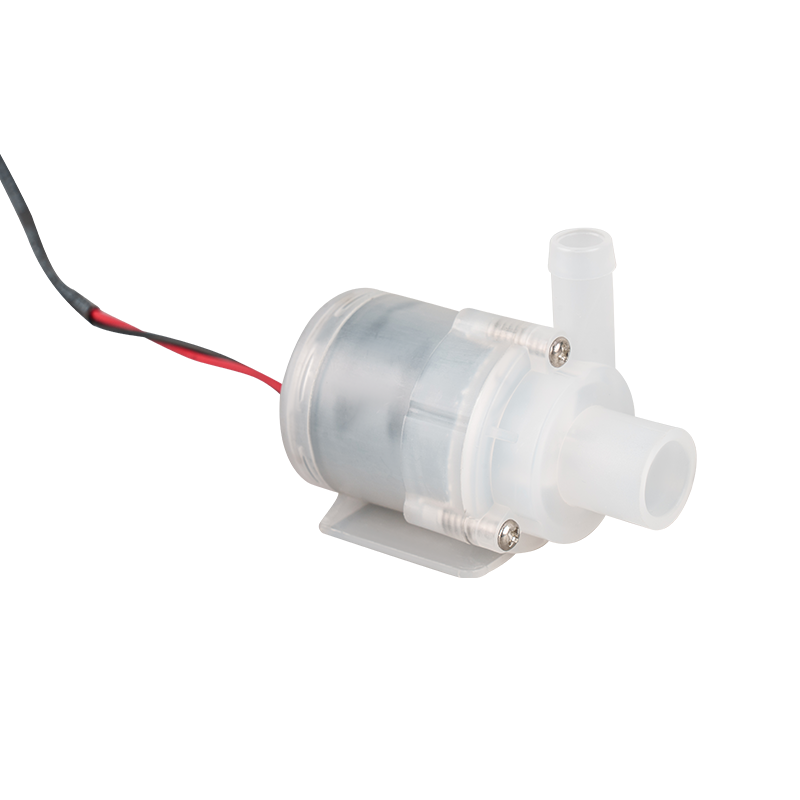
中文简体ก เครื่องสูบน้ำไฟฟ้าขนาดเล็กแบบพกพาคุณภาพสูง เป็นเครื่องมืออเนกประสงค์ที่สามารถทำให้งานถ่ายโอนน้ำง่ายขึ้น ไม่ว่าคุณจะจัดการสวน ระบายน้ำในสระ หรือจัดการโครงการชลประทานขนาดเล็ก อย่างไรก็ตาม การเลือกปั๊มน้ำขนาดเล็กที่เหมาะสมอาจเป็นงานที่น่ากังวล เนื่องจากรุ่น คุณสมบัติ และข้อมูลจำเพาะที่หลากหลายในท้องตลาด
การเลือกปั๊มน้ำขนาดเล็กแบบพกพาไฟฟ้าแบบพกพาที่เหมาะสมนั้นต้องอาศัยความเข้าใจในความต้องการเฉพาะของงานของคุณ คุณสมบัติที่จะเป็นประโยชน์ต่อคุณมากที่สุด และข้อกำหนดทางเทคนิคที่จะรับประกันประสิทธิภาพที่เชื่อถือได้และมีประสิทธิภาพ
ระบุความต้องการสูบน้ำเฉพาะของคุณ
ขั้นตอนแรกในการเลือกปั๊มน้ำขนาดเล็กไฟฟ้าเหลวแบบพกพาที่เหมาะสมคือการทำความเข้าใจความต้องการถ่ายโอนน้ำเฉพาะของคุณ ปั๊มประเภทต่างๆ เหมาะสำหรับงานที่แตกต่างกัน ดังนั้นให้พิจารณาสิ่งต่อไปนี้: :
- ปริมาณน้ำ : คุณต้องเคลื่อนย้ายน้ำมากแค่ไหน? หากคุณสูบน้ำปริมาณเล็กน้อยสำหรับสวนขนาดเล็กหรือตู้ปลา ปั๊มขนาดเล็กที่มีอัตราการไหลต่ำก็อาจเพียงพอ อย่างไรก็ตาม สำหรับการระบายน้ำในสระขนาดใหญ่หรือเทพื้นที่น้ำท่วม คุณจะต้องมีปั๊มที่มีความสามารถในการไหลสูงกว่า
- แหล่งน้ำ : แหล่งน้ำคืออะไร? คุณกำลังสูบน้ำสะอาดจากอ่างเก็บน้ำหรือจะต้องรับมือกับน้ำที่เต็มไปด้วยโคลนและเศษขยะ? ปั๊มบางรุ่นได้รับการออกแบบมาเป็นพิเศษเพื่อจัดการน้ำสะอาด ในขณะที่บางรุ่นสร้างมาเพื่อจัดการน้ำสกปรกที่มีอนุภาคขนาดใหญ่กว่า
- ระยะการส่งน้ำ : พิจารณาว่าต้องเคลื่อนย้ายน้ำไปไกลแค่ไหน ปั๊มที่มีส่วนหัวปั๊มสูงกว่า (ระยะห่างในแนวตั้งที่ปั๊มสามารถดันน้ำได้) จำเป็นสำหรับการสูบน้ำไปยังพื้นที่ที่สูงขึ้นหรือในระยะไกล
- การพกพา : จะต้องย้ายปั๊มบ่อยแค่ไหน? หากคุณต้องการโซลูชันแบบพกพาสำหรับงานต่างๆ เช่น กิจกรรมกลางแจ้ง การทำสวน หรือการกำจัดน้ำฉุกเฉิน การออกแบบที่มีน้ำหนักเบาและกะทัดรัดถือเป็นสิ่งสำคัญ
ตรวจสอบอัตราการไหลและความสูงของหัว
ข้อกำหนดที่สำคัญที่สุดสองประการที่ต้องพิจารณาเมื่อเลือกปั๊มน้ำขนาดเล็กคือ อัตราการไหล และ ความสูงของหัว :
อัตราการไหล : หมายถึงปริมาณน้ำที่ปั๊มสามารถเคลื่อนที่ได้ภายในระยะเวลาที่กำหนด (โดยปกติจะแสดงเป็นแกลลอนต่อนาทีหรือลิตรต่อนาที) สำหรับงานเบา เช่น รดน้ำต้นไม้หรือระบายภาชนะขนาดเล็ก อัตราการไหล 300-600 แกลลอนต่อชั่วโมง (GPH) น่าจะเพียงพอแล้ว หากคุณกำลังระบายน้ำปริมาณมาก ให้มองหาปั๊มที่มีอัตราการไหลสูงกว่า เช่น 1,000-2,000 GPH หรือมากกว่า
- เคล็ดลับ : ตรวจสอบข้อมูลจำเพาะของปั๊มเพื่อดูอัตราการไหลสูงสุดและเปรียบเทียบกับความต้องการของคุณ โปรดทราบว่าอัตราการไหลจริงอาจแตกต่างกันไปขึ้นอยู่กับปัจจัยต่างๆ เช่น แหล่งน้ำและความสูงที่ต้องยกขึ้น
ความสูงของศีรษะ (ยก) : หมายถึงความสูงที่ปั๊มสามารถยกน้ำได้ ซึ่งมักวัดเป็นฟุต ปั๊มน้ำที่มีส่วนหัวปั๊มสูงกว่าจำเป็นสำหรับการระบายน้ำจากพื้นที่ลึกหรือสูบน้ำไปยังตำแหน่งที่สูงขึ้น หากคุณกำลังเผชิญกับห้องใต้ดินลึก ถังขนาดใหญ่ หรือพื้นที่ยกสูง ปั๊มที่มีความสูงส่วนหัว 20 ฟุตขึ้นไปจะเป็นสิ่งจำเป็น
- เคล็ดลับ : สมจริงว่าต้องยกน้ำให้สูงแค่ไหน สำหรับการใช้งานในบ้านส่วนใหญ่ ส่วนหัวสูง 10-20 ฟุตก็เพียงพอแล้ว
พิจารณาประเภทของของเหลวที่จะสูบ
ปั๊มน้ำขนาดเล็กบางรุ่นไม่ได้ออกแบบมาเพื่อรองรับของเหลวประเภทเดียวกัน บางตัวได้รับการออกแบบมาโดยเฉพาะสำหรับน้ำสะอาด ในขณะที่บางตัวถูกสร้างขึ้นเพื่อจัดการกับน้ำสกปรกหรือน้ำที่ปนเปื้อน การทำความเข้าใจประเภทของของเหลวที่คุณจะสูบเป็นสิ่งสำคัญในการเลือกปั๊มที่เหมาะสม
น้ำสะอาด : หากคุณกำลังสูบน้ำใส (เช่น สำหรับสระว่ายน้ำ พิพิธภัณฑ์สัตว์น้ำ หรืออ่างเก็บน้ำสะอาด) ให้มองหาปั๊มน้ำขนาดเล็กที่มีป้ายกำกับว่า “ปั๊มน้ำสะอาด” หรือ “ปั๊มน้ำใส” ปั๊มเหล่านี้มักจะมีตัวกรองแบบตาข่ายที่ละเอียดกว่า และได้รับการออกแบบมาให้จัดการกับน้ำที่มีอนุภาคน้อยหรือไม่มีเลย
น้ำสกปรก : หากคุณกำลังสูบน้ำจากแหล่งต่างๆ เช่น พื้นที่น้ำท่วม บ่อ หรือพื้นที่ที่มีตะกอน ให้เลือกปั๊มน้ำสกปรก สิ่งเหล่านี้มีใบพัดขนาดใหญ่กว่าและตัวกรองพิเศษเพื่อป้องกันการอุดตันจากเศษ สิ่งสกปรก และของแข็งขนาดเล็ก
- เคล็ดลับ : ตรวจสอบคำแนะนำของผู้ผลิตเสมอเพื่อดูว่าปั๊มเหมาะสมกับประเภทของของเหลวที่คุณต้องการสูบหรือไม่ การใช้ปั๊มน้ำสะอาดสำหรับน้ำสกปรกอาจทำให้เกิดการอุดตันและความเสียหายได้
แหล่งพลังงาน: ไฟฟ้าเทียบกับแบตเตอรี่ขับเคลื่อน
เมื่อเลือกปั๊มน้ำขนาดเล็กแบบพกพาให้คำนึงถึงแหล่งพลังงานด้วย ปั๊มน้ำไฟฟ้าแบบพกพามักแบ่งออกเป็นสองประเภท:
ปั๊มไฟฟ้าแบบมีสาย : ปั๊มเหล่านี้เหมาะอย่างยิ่งสำหรับงานที่มีไฟฟ้าเข้าถึง โดยทั่วไปแล้วจะให้พลังงานอย่างต่อเนื่องและสามารถใช้งานได้นานขึ้นโดยไม่จำเป็นต้องชาร์จใหม่ อย่างไรก็ตาม ความยาวของสายไฟอาจจำกัดความสามารถในการพกพา ดังนั้นควรพิจารณาระยะห่างจากแหล่งพลังงานเมื่อเลือกประเภทนี้
- เคล็ดลับ : เลือกปั๊มที่มีสายไฟยาวเพียงพอ (โดยทั่วไปคือ 10-30 ฟุต) เพื่อให้มั่นใจถึงความยืดหยุ่นในตำแหน่งที่คุณใช้ปั๊ม
ปั๊มที่ใช้แบตเตอรี่ : ปั๊มเหล่านี้พกพาสะดวกกว่าเนื่องจากไม่ต้องใช้ปลั๊กไฟ ปั๊มน้ำขนาดเล็กที่ใช้พลังงานแบตเตอรี่เหมาะอย่างยิ่งสำหรับงานกลางแจ้ง เช่น การตั้งแคมป์ การทำสวน หรือการกำจัดน้ำฉุกเฉินในพื้นที่ที่ไฟฟ้าเข้าถึงได้จำกัด อย่างไรก็ตาม โดยทั่วไปจะมีรันไทม์สั้นกว่าและอาจต้องชาร์จใหม่หลังจากใช้งานเป็นเวลานาน
- เคล็ดลับ : สำหรับการใช้งานระยะยาวแนะนำให้เลือกรุ่นที่มีแบตเตอรี่แบบชาร์จไฟได้และมีตัวระบุระยะเวลาที่ปั๊มสามารถทำงานได้ต่อการชาร์จหนึ่งครั้ง
มองหาการก่อสร้างที่ทนทานและมีคุณภาพ
เมื่อซื้อปั๊มน้ำขนาดเล็กแบบพกพาคุณภาพสูง ความทนทานเป็นสิ่งสำคัญ เนื่องจากปั๊มเหล่านี้มักใช้ในสภาพแวดล้อมกลางแจ้งหรือในสภาวะที่ยากลำบาก จึงจำเป็นต้องทำจากวัสดุที่สามารถทนทานต่อการสึกหรอ
วัสดุ: มองหาปั๊มที่ทำจากวัสดุคุณภาพสูง เช่น สแตนเลสหรือพลาสติกสำหรับงานหนัก ชิ้นส่วนที่ทำจากสเตนเลสสตีลทนทานต่อการกัดกร่อนและการสึกหรอได้ดีกว่า โดยเฉพาะอย่างยิ่งเมื่อใช้ในสภาพแวดล้อมที่ชื้นหรือเปียก
กันซึม : ตรวจสอบให้แน่ใจว่าปั๊มกันน้ำหรือมีการออกแบบกันน้ำ โดยเฉพาะหากคุณใช้งานกลางแจ้ง ปั๊มบางรุ่นมีระดับ IP (Ingress Protection) ซึ่งบ่งชี้ว่าปั๊มปิดผนึกน้ำและฝุ่นได้ดีเพียงใด
- เคล็ดลับ : เลือกใช้ปั๊มที่มีส่วนประกอบกันสนิมหรือป้องกันการกัดกร่อน หากคุณต้องการใช้งานบ่อยครั้งในสภาพเปียก
ใช้งานง่ายและบำรุงรักษา
สำหรับปั๊มน้ำแบบพกพา ความง่ายในการใช้งานและการบำรุงรักษาถือเป็นปัจจัยสำคัญ มองหาปั๊มที่ออกแบบมาให้ใช้งานง่าย พร้อมคำแนะนำที่ชัดเจน การควบคุมที่เรียบง่าย และชิ้นส่วนที่ถอดออกง่ายสำหรับการบำรุงรักษาและทำความสะอาด
คุณสมบัติการรองพื้นด้วยตนเอง : ปั๊มแบบ self-priming จะไล่อากาศออกจากท่อปั๊มโดยอัตโนมัติ ซึ่งช่วยให้สามารถเริ่มสูบน้ำได้โดยไม่ต้องมีการแทรกแซงด้วยตนเอง
ตัวกรองทำความสะอาดง่าย : ปั๊มที่มีตัวกรองที่ถอดออกได้ง่ายจะช่วยให้ทำความสะอาดปั๊มได้ง่ายขึ้นหลังการใช้งานแต่ละครั้ง และช่วยให้มั่นใจว่าปั๊มทำงานได้อย่างราบรื่นต่อไป
- เคล็ดลับ : เลือกปั๊มที่ติดตั้งง่ายและมาพร้อมกับคู่มือผู้ใช้เพื่อให้แน่ใจว่าใช้งานง่าย แม้แต่สำหรับผู้เริ่มต้น
พิจารณาชื่อเสียงของแบรนด์และการรับประกัน
สุดท้ายนี้ ให้พิจารณาชื่อเสียงของแบรนด์และการรับประกันของปั๊มน้ำขนาดเล็กที่คุณกำลังซื้อ แบรนด์ที่มีชื่อเสียงมักนำเสนอผลิตภัณฑ์ที่เชื่อถือได้และการสนับสนุนลูกค้า และหลายแบรนด์มาพร้อมกับการรับประกันที่รับประกันอายุการใช้งานของปั๊มของคุณ
- การรับประกัน : ปั๊มที่มีการรับประกันเป็นสัญลักษณ์ของความมั่นใจในความทนทานและคุณภาพ มองหารุ่นที่มีการรับประกันอย่างน้อย 1 ปี ซึ่งครอบคลุมข้อบกพร่องและปัญหาที่อาจเกิดขึ้น
- รีวิวลูกค้า : อ่านบทวิจารณ์ออนไลน์เพื่อทำความเข้าใจถึงความน่าเชื่อถือและประสิทธิภาพของผลิตภัณฑ์ ความคิดเห็นของลูกค้าสามารถให้ข้อมูลเชิงลึกอันมีค่าว่าปั๊มทำงานได้ดีเพียงใดในสภาวะการใช้งานจริง